
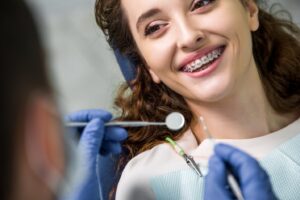
It does not, in fact, smell like teen spirit. These days, more grown-ups are taking their turn at orthodontics and opting for braces, a treatment often associated with adolescent years. And good for them! Just keep a few of the following things in mind if you’re getting braces for the first time as an adult.
Your Treatment May Take Time
Adult teeth can be successfully moved with orthodontic treatment, but the process requires patience. Treatment time varies depending on the severity of your crowding, spacing, bite problems, and other individual factors.
Your orthodontist will create a treatment plan based on your specific needs and monitor your progress throughout treatment. Regular appointments are important because your orthodontic team may need to make adjustments or provide new instructions along the way.
Your Mouth May Feel Sore at First
It’s normal for your teeth and mouth to feel different when you first get braces. You may experience some tenderness or pressure as your teeth begin responding to the treatment.
This discomfort is generally temporary. Your orthodontist may recommend ways to make your mouth more comfortable during the adjustment period. Orthodontic wax can also help protect areas of your cheeks or lips that rub against brackets.
Oral Hygiene Becomes Even More Important
Braces create additional spaces where food particles and plaque can collect. That means maintaining excellent oral hygiene is especially important during orthodontic treatment.
Brush carefully around brackets and wires, and floss between your teeth every day. Your orthodontist can demonstrate techniques and recommend tools that make cleaning around braces easier.
Keeping your teeth and gums healthy throughout treatment can help you avoid cavities, gum inflammation, and permanent discoloration around brackets.
You May Need to Change Some Eating Habits
Traditional braces can require some temporary changes to the foods you eat. Hard, sticky, or chewy foods can damage brackets or wires.
You may need to avoid foods such as hard candies, chewing gum, popcorn kernels, and very hard foods. Cutting crunchy foods into smaller pieces can also make them easier to eat safely.
Following your orthodontist’s dietary recommendations can help prevent unnecessary orthodontic emergencies and keep your treatment on schedule.
Your Smile Isn’t the Only Thing Being Treated
Orthodontic treatment isn’t simply about making teeth look straighter. Braces can also address bite problems and improve how your upper and lower teeth come together.
Your orthodontist will evaluate your teeth, jaws, and bite when developing your treatment plan. Correcting certain alignment problems may make it easier to clean your teeth and can improve chewing function.
Retainers Are Part of the Process
Getting your braces removed doesn’t mean your orthodontic treatment is completely finished. Your teeth can naturally shift after treatment, so wearing a retainer as instructed is an important part of maintaining your results.
Your orthodontist will explain how often to wear your retainer and how long you’ll need to continue using it.
Getting braces as an adult may require some adjustment, but millions of adults successfully complete orthodontic treatment. With good oral hygiene, regular appointments, and patience, you can work toward a healthier, straighter smile.
About the Practice
Danville Dental Associates welcomes your whole family in for comprehensive dental care. If it’s orthodontic treatment you’re interested in, we offer both traditional braces and Invisalign clear aligners to help you achieve the smile of your dreams. Visit our website for booking or call one of our conveniently located offices in your area.